One question ties these articles together: how to make something kinder to the environment while it still looks good and does its job. They cover packaging, paper and complete promotional sets, including cardboard cases for discs.
A natural look versus a greener material
A brown tone and visible fibres are a style, not a certificate. Before deciding, it is worth looking at a few points.
- What the paper is made of - recycled fibre, unbleached stock or material from managed forests.
- Whether it separates easily - packaging made of one material is far easier to recycle.
- Whether it is needed at all - dropping a layer usually beats swapping it for another one.
- Whether it will be kept - a box somebody reuses outlives any printed claim.
Colour and detail on natural stock
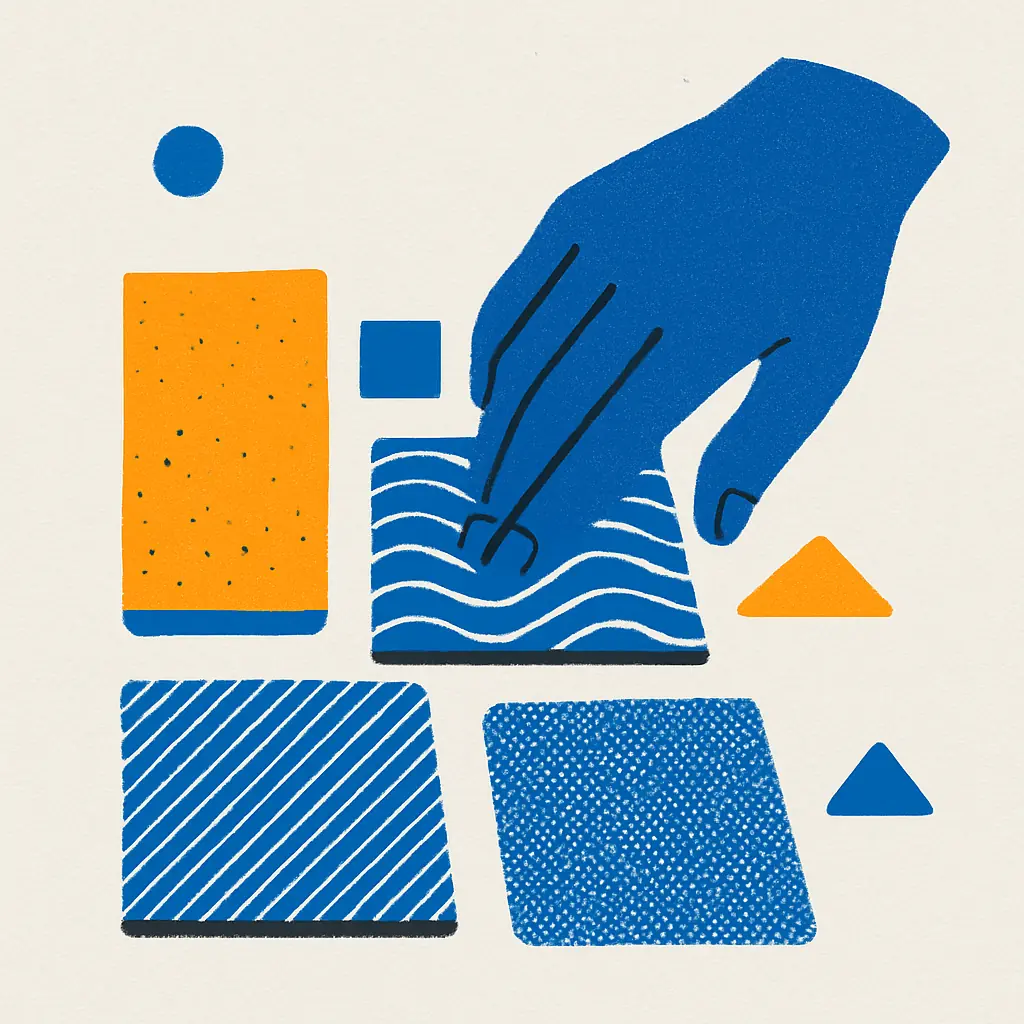
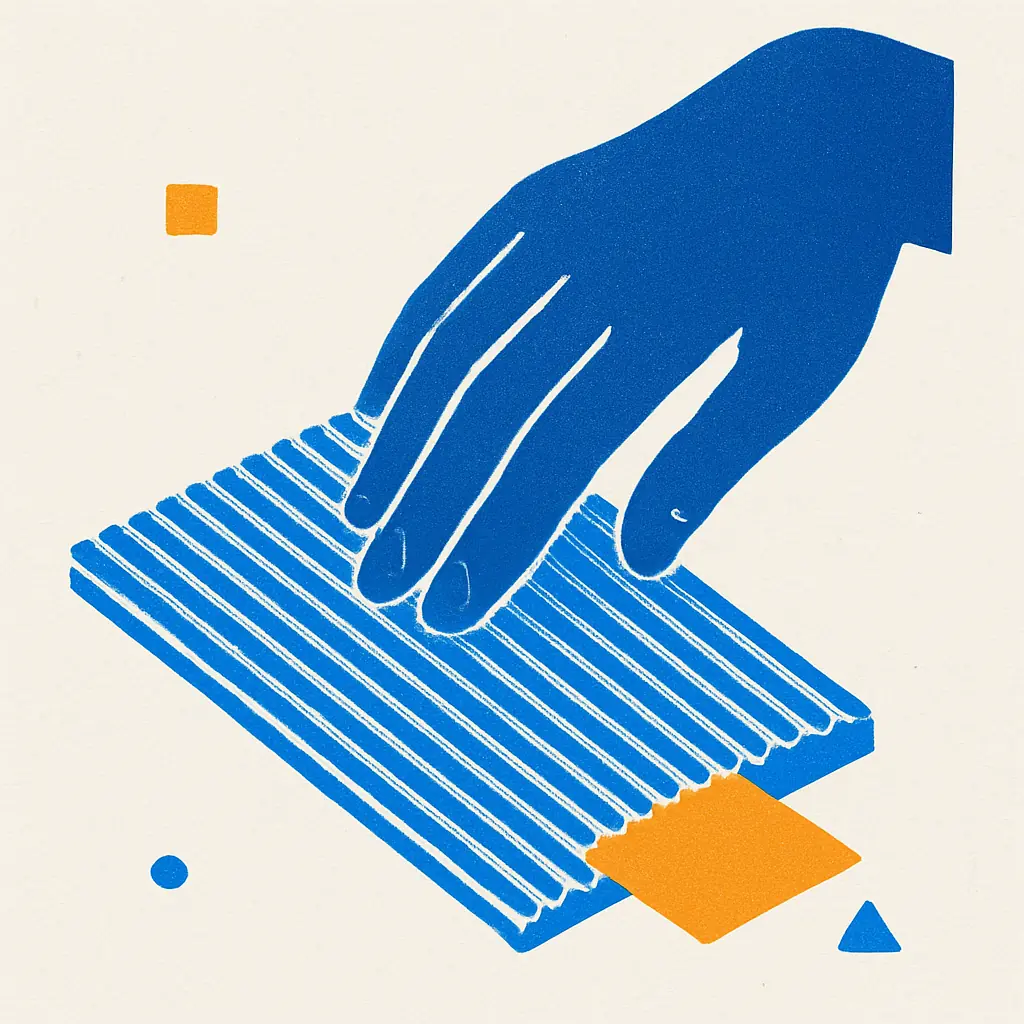
Textured paper absorbs a little ink, so colours come out quieter and the very finest detail is softer than on a smooth coated sheet. That is a character rather than a fault - it just needs allowing for at the design stage. Strong, contrasty photographs and large, simple lettering work best here, while delicate gradations are worth simplifying.
There is also a piece on making eco-friendly advertising genuinely attractive, plus notes on the brands this paper suits most: natural cosmetics, food, handmade goods and small hospitality businesses. For those, a plainer material often says more about the company than a glossy one would.
If you are choosing for the first time, order a sample of two or three papers and look at them in daylight. The difference between a natural sheet and a coated one is much easier to feel in your hand than to judge from a screen.