The package reaches the customer, the tape rustles, the interior of the box is revealed, and in this one brief moment, it is decided whether someone will return for another order. This is what unboxing experience is all about, something more than the aesthetic packaging of the product.
What is unboxing experience and how does it affect brand perception?
Unboxing experience is the totality of sensations that a customer experiences from the moment they receive the package from the courier, through opening the carton, to taking the product out of its final packaging. It is not just about the product arriving intact, in one piece. It’s about what happens in the recipient's mind during those few seconds: do they feel curiosity or rather disappointment at the sight of gray tape and plastic filler.
This is not an abstract topic from marketing conferences. Data quoted by Shoper indicates that over half of customers are more likely to make a repeat purchase if the packaging makes a good first impression. The Dotcom Distribution study goes further: 40% of respondents admit that a good impression from packaging increases the likelihood of returning to the store, and half of those surveyed indicate that premium packaging increases the likelihood of recommending the brand to friends. To this, there is the issue of social media, as data from Hostinger shows that as many as 82% of consumers seek information about products there, which means that a nicely designed box has a real chance of appearing in someone’s story.
However, it is worth remembering that more does not mean better. Aneta Kleyff from the Brief*me agency points out that excessive form, too many materials, or a clearly too-large box in relation to the product can evoke a reaction opposite to the intended one, even if the product itself is great. A customer receiving small jewelry in a pizza-sized box does not feel cared for, but rather a bit deceived by shipping costs. Good unboxing is not about excess, but about fitting, consistency, and a certain ritual that matches what is being sold.
- Unboxing is a moment of truth: it decides whether the customer will return before they even touch the product.
- Fit is more important than excess: a too-large box with excessive filler works against the brand.
- Social media enhance the effect: beautiful packaging has a chance to become part of organic reach.
- Repetitiveness builds trust: consistent packaging aesthetics are associated with professionalism.
What packaging elements create the unboxing impression?
When designing a good unboxing, several layers come into play: the outer carton, the interior packaging, filler, and finally, small extras. Each of these contributes to a different effect.
Filler is an element that often ruins the whole job. Imagine a customer who ordered perfume for 250 zł and opens a package filled with gray bubble wrap thrown haphazardly inside. Such a dissonance between the price of the product and the quality of the packaging immediately lowers the perceived value of the brand, even if the perfume itself is great. Silk paper, paper shavings, or molded cardboard precisely shaped to fit the product work better, just like in the Google Pixel Watch boxes, where the white matte surface and molded cushion for the watch immediately create a premium product impression. The iPad 8 from Apple operates similarly: its minimalist, smooth box makes the act of opening feel like a small ceremony.
A ribbon, string, or closing sticker is a small detail that engages the sense of touch and slows down the moment of opening. This slowing down is intentional: the longer the customer builds suspense, the stronger the wow effect at the end. In the music industry, the format of the album packaging often serves as such a slowing factor. If you're wondering what to choose for the label, it's worth reading about how digipack differs from jewel case in terms of this first impression.
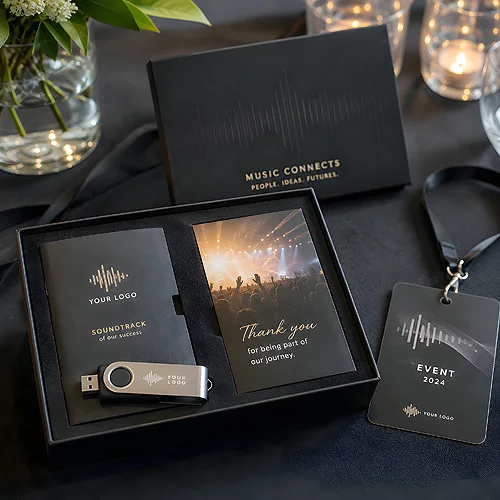
The insert, on the other hand, serves as both an informational and emotional element: a thank you note, care instructions, or a discount code for the next purchases. In the case of CDs, booklets and digipack inserts often serve this role, as they are often the only place where the artist can tell more about the album. The packaging itself, both standard and from the CD/DVD line, offers a significant opportunity to design the entire narrative surrounding the release before anyone even puts the disc in the player.
Before you order a large batch of packaging, check one sample dry: pack the product as your warehouse would, and assess whether the filler indeed holds the product in place during transport, and not just looks good in the photo.
How to personalize packaging in a small or medium-sized online store?
Personalization is often associated with a large budget, yet the simplest solutions work best. The small cosmetics brand Zojo Beauty Elixirs placed a simple, warm message directly addressed to the customer on its box, and that was enough to build a relationship before the product even hit the bathroom shelf. There’s no need for expensive embossing or gilding for the customer to feel that the packaging was made with them in mind.
For smaller-scale stores, the most realistic steps look like this:
- Choose one consistent packaging format for all orders, instead of randomly mixing boxes from different batches.
- Add a recognizable element: a logo on the lid, a distinctive interior color, or a thank you sentence always printed in the same place.
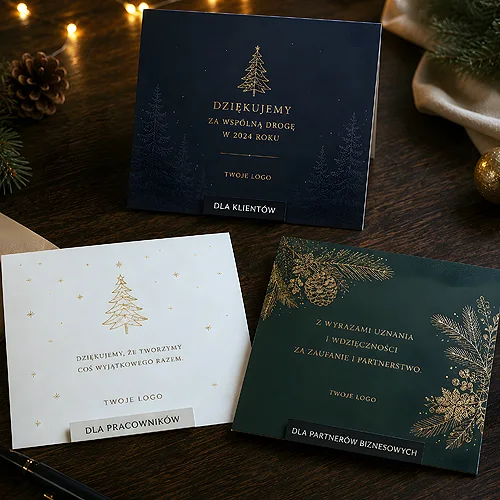
- Consider including a loyalty card with the first order, as customer and loyalty cards with rounded corners and Soft Touch finish provide a tangible reason for the customer to check the store again.
- If you’re sending flat products, such as jewelry or small accessories, cardboard envelopes for discs and small products can protect the contents without excess empty space.
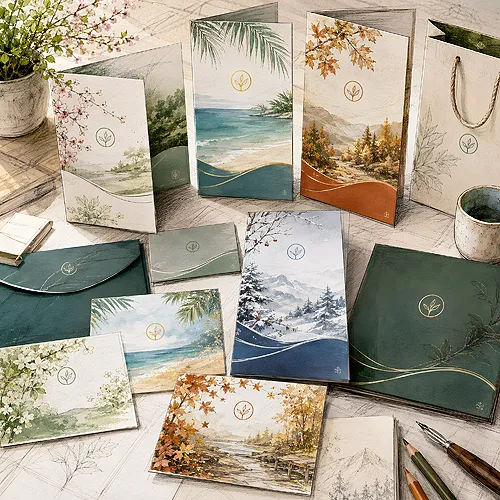
- Ensure consistency with the rest of the brand’s communication, for example with stationery used on other occasions, since the principles of good design are similar regardless of the industry, as can be seen in how the wedding stationery set is arranged.
E-commerce packaging with a distinctively applied logo can increase brand recall by up to 70%, which is an invaluable argument for a small store without an advertising budget comparable to larger players. Interestingly, Allegro has introduced its own Packing Standard and the Allegro Pack catalog, offering sellers standardized, durable packaging at a low price, without an additional platform margin. This shows that even a large marketplace treats packaging quality as an element of strategy, not a mere addition.
In the music industry, personalization has its nuances. A publisher searching online for terms like cd printing or paper sleeves for cds usually wants the same thing as a cosmetics store: consistent, distinctive packaging that stands out amid hundreds of other promotional releases sent to journalists and playlist curators.
How to reconcile ecology with packaging aesthetics?
Eco-friendly packaging doesn’t have to look like a gray box with the inscription "we save the planet." That’s a mistaken assumption that still persists among store owners who fear that sustainable design means sacrificing a premium feel.
In practice, a well-designed digipack with eco-friendly packaging can look just as impressive as a classic plastic box and also carries a story that the customer will gladly share. Raw paper, embossing instead of foil, matte finish instead of glossy laminate: all of this creates a natural yet premium effect without pretending to be something the packaging is not.
It’s also worth remembering that customers appreciate consistency. Research cited in the context of loyalty shows that more than half of customers are more likely to return to a store that delivers products in packaging reminiscent of a gift, regardless of whether that packaging is plastic or paper. Aesthetics and care visible in details matter, not the raw material itself.
A practical approach to combining ecology with aesthetics looks like this:
- Eliminate excess layers: one well-designed case is often enough where two packages were previously used.
- Choose materials that are appealing visually on their own, rather than masking them with additional printing.
- If you’re shipping discs or digital media, consider a digipack as a single solution that combines product protection with aesthetics without unnecessary plastic, which can be a response to queries like cd duplication near me directed to local printers.
- Ensure that informational materials included in the package, such as instructions or thank you notes, are printed on paper consistent with the rest of the packaging.
The topic of ecology in printing is broad. Before you commission production, it’s also worth checking how to prepare files for printing to avoid revisions at the implementation stage, especially with more complex projects.
Frequently asked questions
What is the difference between unboxing experience and regular product packaging?
Regular packaging aims solely to protect the product during transport. Unboxing experience adds an emotional layer: the order of opening, the touch of materials, aesthetics, and small elements of surprise that are meant to provoke a positive reaction from the customer.
Is it worth investing in eco-friendly packaging if we want the wow effect?
Yes, provided that the material is well-suited to the product and doesn’t pretend to be something it isn’t. Raw paper or cardboard with embossing can look just as impressive as classic heavily laminated packaging.
How to start building unboxing experience in a small online store without a large budget?
It’s enough to start with one consistent element, like a logo on the box lid or a consistent interior color of the packaging. Only in the next step should you consider adding inserts, loyalty cards, or more expensive finishes.